
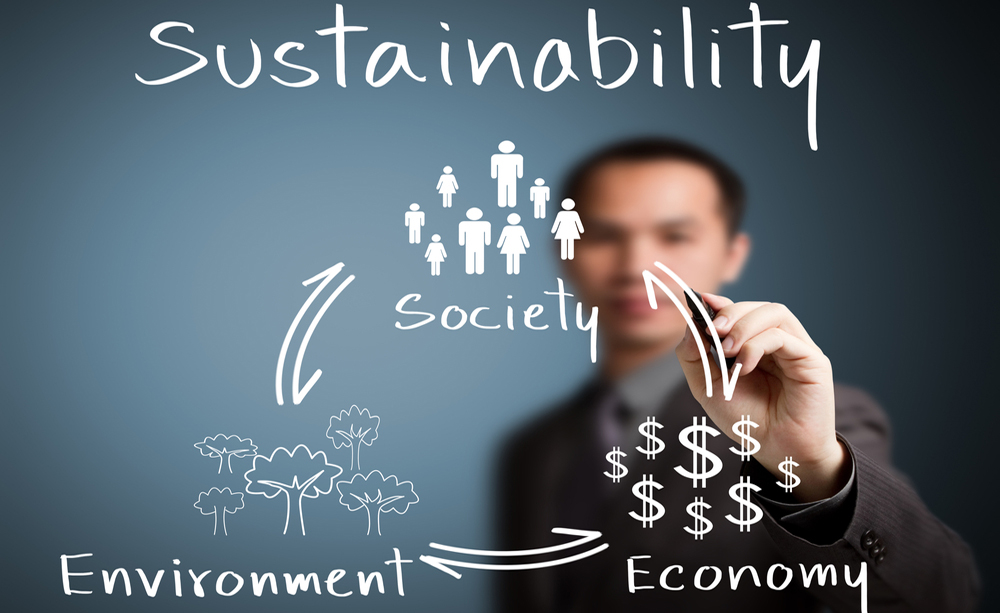
Individuals, organizations, and governments alike are all increasingly prioritizing sustainability as an essential part of their policies. At a time where society is becoming more aware of their impact on the environment, their collective movement towards a sustainable future is leading to huge changes in the corporate landscape.
The economic pillar is not about profit at any cost for the corporation -- it’s about corporate risk management. The importance lies in the balance between profit and ethics. Although a change in the supply chain may bring short-term financial gains, it should be viewed with extreme skepticism if there is any risk of potential damage to the corporation’s reputation. On the other hand, the economic pillar also provides a counterweight to extreme sustainability measures that corporations are sometimes pressured to implement, such as entirely abandoning fossil fuels.


The social pillar is all about having the support of employees, stakeholders, and the community. Treating employees fairly and having a respectful supply chain process leads to increased productivity and creativity, as well as strong retention and engagement. Overall, practicing sustainable social strategies in the long run results in a workforce with greater skills and more motivation. Creating a strong, community oriented culture encourages employees to be innovative -- who have the ability to improve upon existing products, processes, and business models. On a global scale, the social pillar means knowing where and how your supply chain is being filled -- sustainable labor, safe work environment, fair wages, and respectful to the community.
The environmental pillar is arguably the most important out of all three. Sustainable corporations are often the most innovative because they are constantly reviewing existing processes to find better, greener alternatives. By reducing their carbon footprint and packaging waste, corporations are also able to see a positive impact in their public reputation and financial returns. Some common goals that help corporations both save money and reduce their environmental impact are implementing transportation management systems, reduce carbon emissions, and improve packaging.